
Your Ford, Built Your Way
Choosing a Ford model is only the beginning. Once you decide between an F-150, Explorer, Bronco, Maverick, or Mustang Mach-E, you still need to find the version that fits your budget and the way you drive.
That’s where Ford trim levels come in. A trim can change the wheels, seating materials, screens, driver-assist technology, drivetrain, towing equipment, off-road hardware, and overall personality of a vehicle.
The challenge is that Ford trim levels in order don’t follow one universal ladder. XL may be the work-ready starting point for a truck, while Active or Select serves a similar role in an SUV or EV. Raptor, Tremor, ST, GT, and Rally aren’t simply luxury upgrades. They’re specialized models built around performance or capability.
This guide gets Ford trim levels explained without turning your shopping process into alphabet soup.
What Are Ford Trim Levels? 💭
A trim level is a version of a vehicle with a defined group of standard features. Moving to a higher trim typically adds comfort, technology, design details, or capability, but the exact upgrades depend on the model.
For example, an F-150 XL focuses on practical truck essentials, while F-150 Lariat adds more cabin comfort and technology. An Explorer ST-Line emphasizes sporty appearance, while Explorer ST adds a performance-focused powertrain. On Bronco, Badlands prioritizes technical off-roading rather than traditional luxury.
Packages build on Ford trim levels. Two vehicles with the same trim name can still have different equipment because one may include an appearance, towing, technology, or off-road package.
The smartest approach is to treat the trim as your foundation, then review the exact window sticker before deciding.
Ford Trim Levels Explained by Category
Most Ford trim levels fall into one of four shopper-friendly categories. Some overlap, but these groups provide a useful starting point.
Work-Ready and Value-Focused
Names such as XL, Select, Active, and Base generally lead with useful standard equipment and a more approachable starting point. They’re designed for shoppers who would rather pay for the vehicle they need than features they may never use.
Everyday Comfort
Middle-ground Ford trim levels such as XLT, Big Bend, Heritage, ST-Line, and Premium often add convenience, appearance upgrades, and more technology. They’re strong choices for commuters, families, and drivers who need one vehicle to do a little of everything.
Premium and Luxury
Lariat, Outer Banks, Platinum, and King Ranch move the experience upscale with richer materials, larger displays, advanced driver-assist systems, upgraded audio, and distinctive exterior details.
Off-Road and Performance
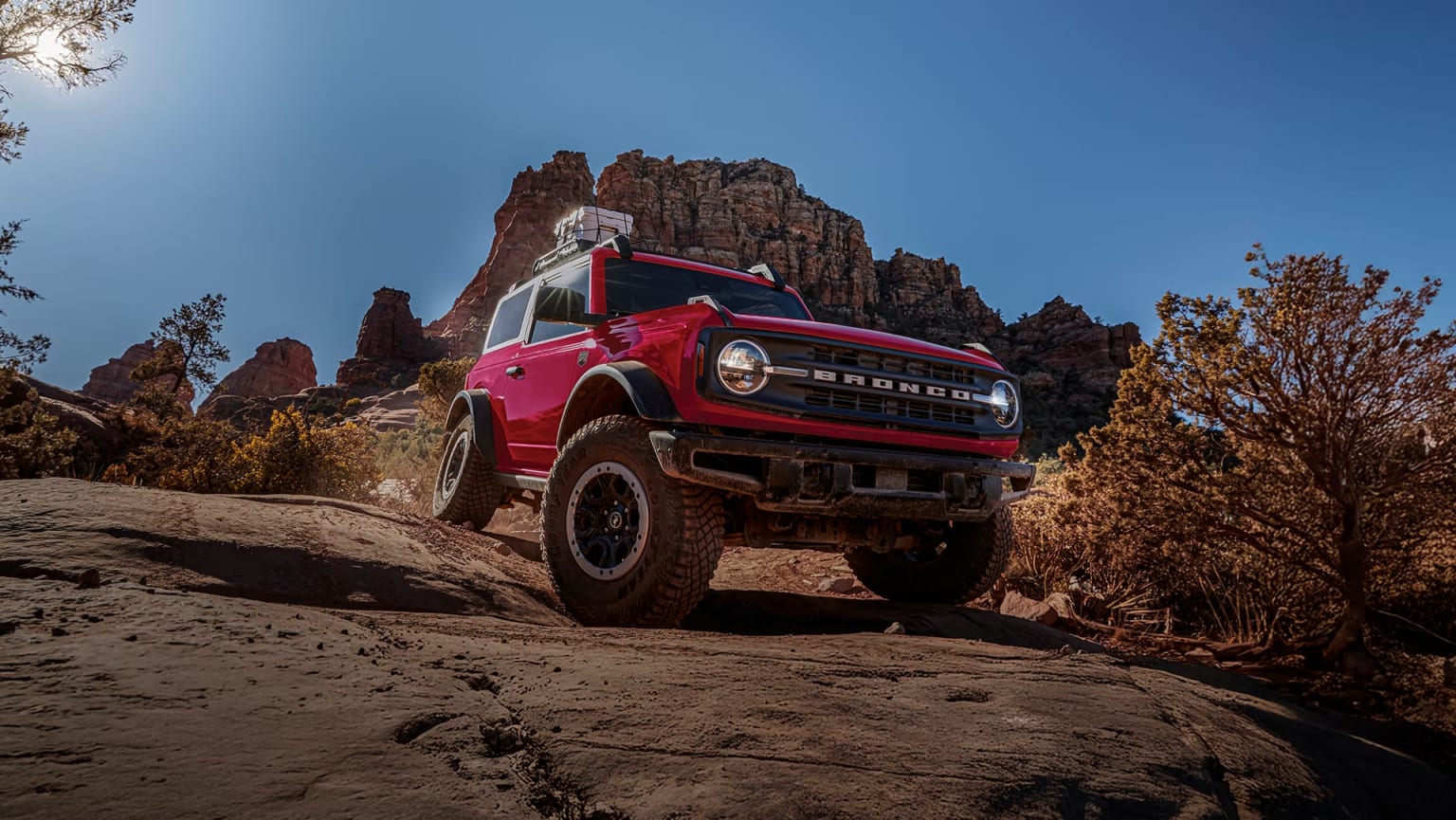
Specialty Ford trim levels such as Tremor, Raptor, Badlands, ST, GT, Rally, Stroppe Edition, and Lobo follow their own path. They may add stronger engines, advanced drivetrains, specialized suspension, protective hardware, or performance styling instead of simply adding luxury features.
Ford Trim Levels in Order: A Current Model-by-Model Guide
There’s no single ranking that works across the entire Ford lineup. The following Ford trim levels in order show the general progression for popular current models, with specialty trims identified separately where the lineup branches toward off-road or performance driving.
Ford Model | General Trim Progression |
|---|---|
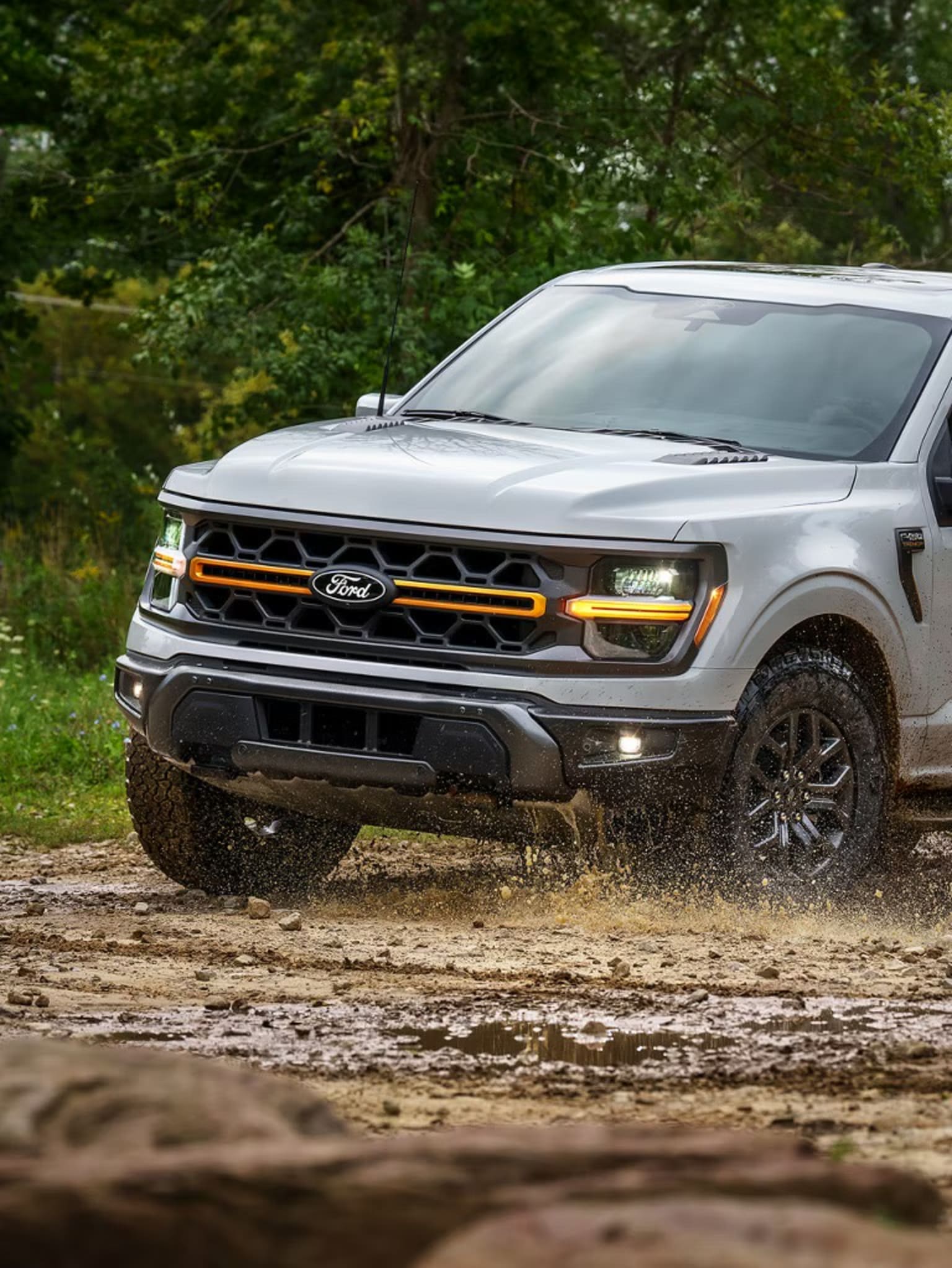
F-150 | XL, STX, XLT, Lariat, King Ranch, Platinum; specialty: Tremor and Raptor |
Explorer | Active 100A, Active, ST-Line, Platinum; specialty: Tremor and ST |
Bronco | Base, Big Bend, Outer Banks, Badlands, Heritage Edition, Stroppe Edition, Raptor |
Bronco Sport | Big Bend, Heritage, Outer Banks, Badlands |
Expedition | Active, Platinum, Tremor, King Ranch; MAX available on selected models |
Maverick | XL, XLT, Lariat; specialty: Lobo and Tremor |
Ranger | XL, XLT, Lariat, Raptor |
Super Duty | XL, XLT, Lariat, King Ranch, Platinum |
Mustang Mach-E | Select, Premium, GT, Rally |
Current Ford trim levels include eight F-150 trims, five Maverick models, four Ranger models, and five Super Duty trims.
Current SUV and EV choices range from seven Bronco models and four Bronco Sport trims to distinct Explorer, Expedition, and Mustang Mach-E lineups.
When comparing Ford trim levels in order, remember that trim names, packages, and availability can change by model year. Equipment may also vary by drivetrain, cab style, body length, engine, and production timing.
Work-Ready Ford Trims: Capability Before Extras
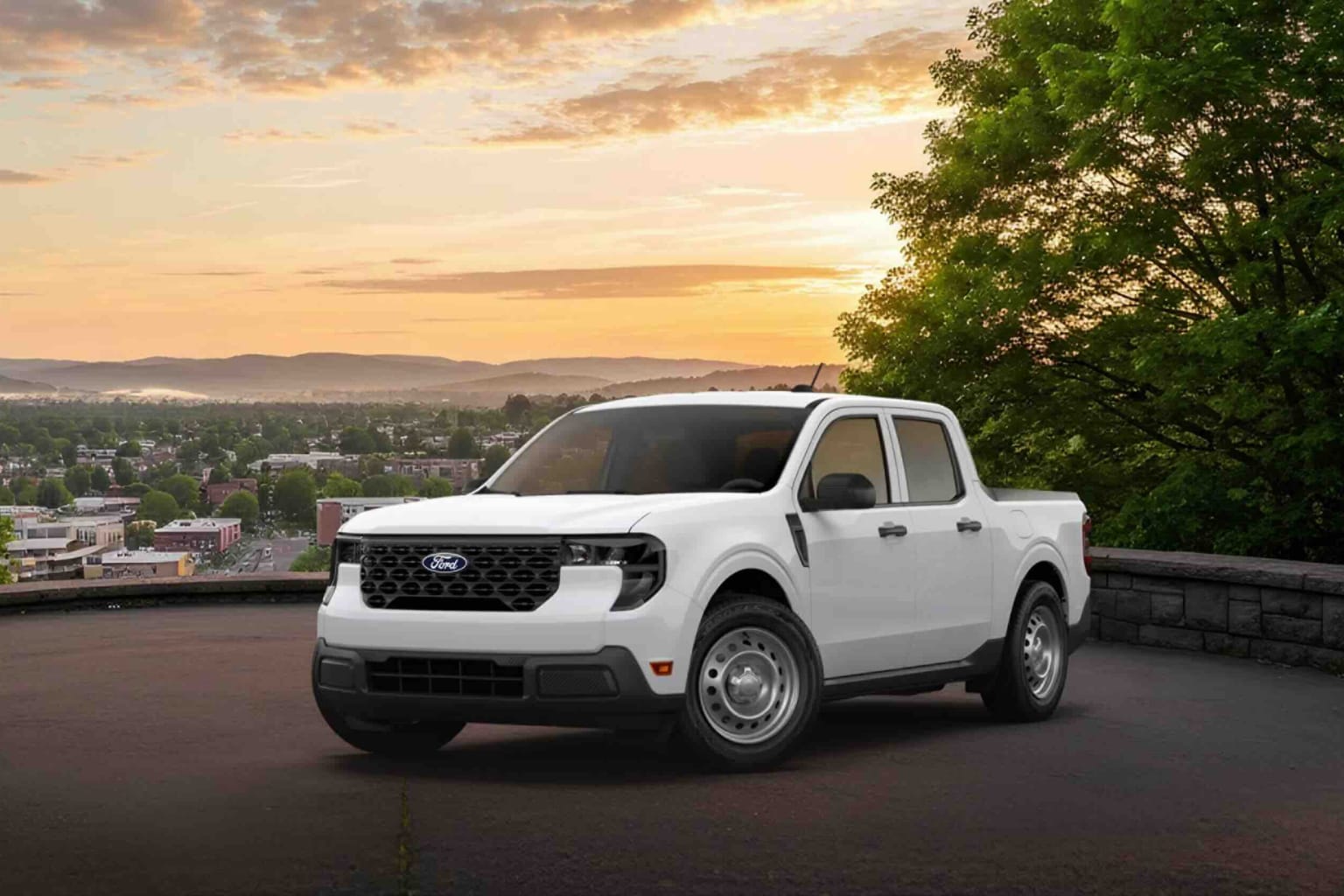
For trucks, XL is the familiar work-ready starting point. It appears on the Maverick, Ranger, F-150, and Super Duty, but it doesn’t mean the same equipment on every vehicle.
An F-150 or Super Duty XL may appeal to commercial buyers, contractors, and drivers who prioritize towing, payload, bed configuration, and durable cabin materials. Maverick XL gives shoppers a smaller, city-friendly truck with practical utility, while Ranger XL lands between compact and full-size pickups.
Among SUV and EV Ford trim levels, Bronco Base, Explorer Active 100A, Expedition Active, and Mustang Mach-E Select perform a similar job. They provide the core vehicle experience without automatically including every premium upgrade.
Choose a value-focused trim when capability, price, or customization matters more than luxury appointments.
Everyday Comfort Trims: The Sweet Spot for Most Drivers
Middle trims are popular because they improve the features you notice every day without necessarily reaching the top of the lineup.
XLT is a common step up on Ford trucks, often bringing appearance upgrades and access to broader technology or capability packages. Big Bend gives Bronco shoppers everyday usability with room to add trail equipment. Bronco Sport Heritage adds throwback design, while Explorer ST-Line delivers a sportier look without moving all the way to Explorer ST performance.
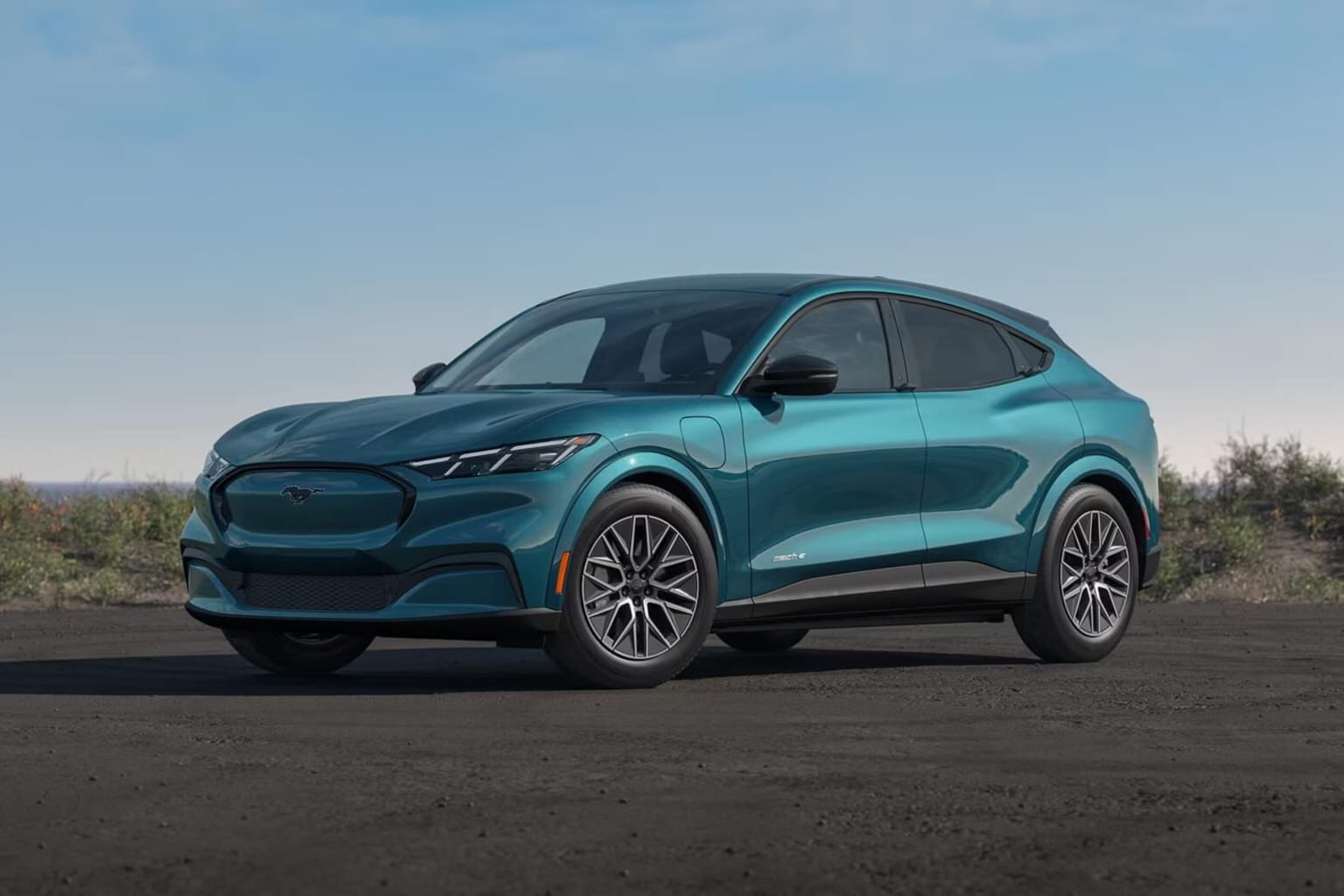
Mustang Mach-E Premium follows a similar path, making it one of the more comfort-focused Ford trim levels in the electric lineup with an elevated mix of range choices, design, and everyday features.
When comparing Ford trim levels in order, this is often the best place to begin. A mid-level trim may already include the comfort and technology you want, leaving you to spend selectively on the packages that matter.
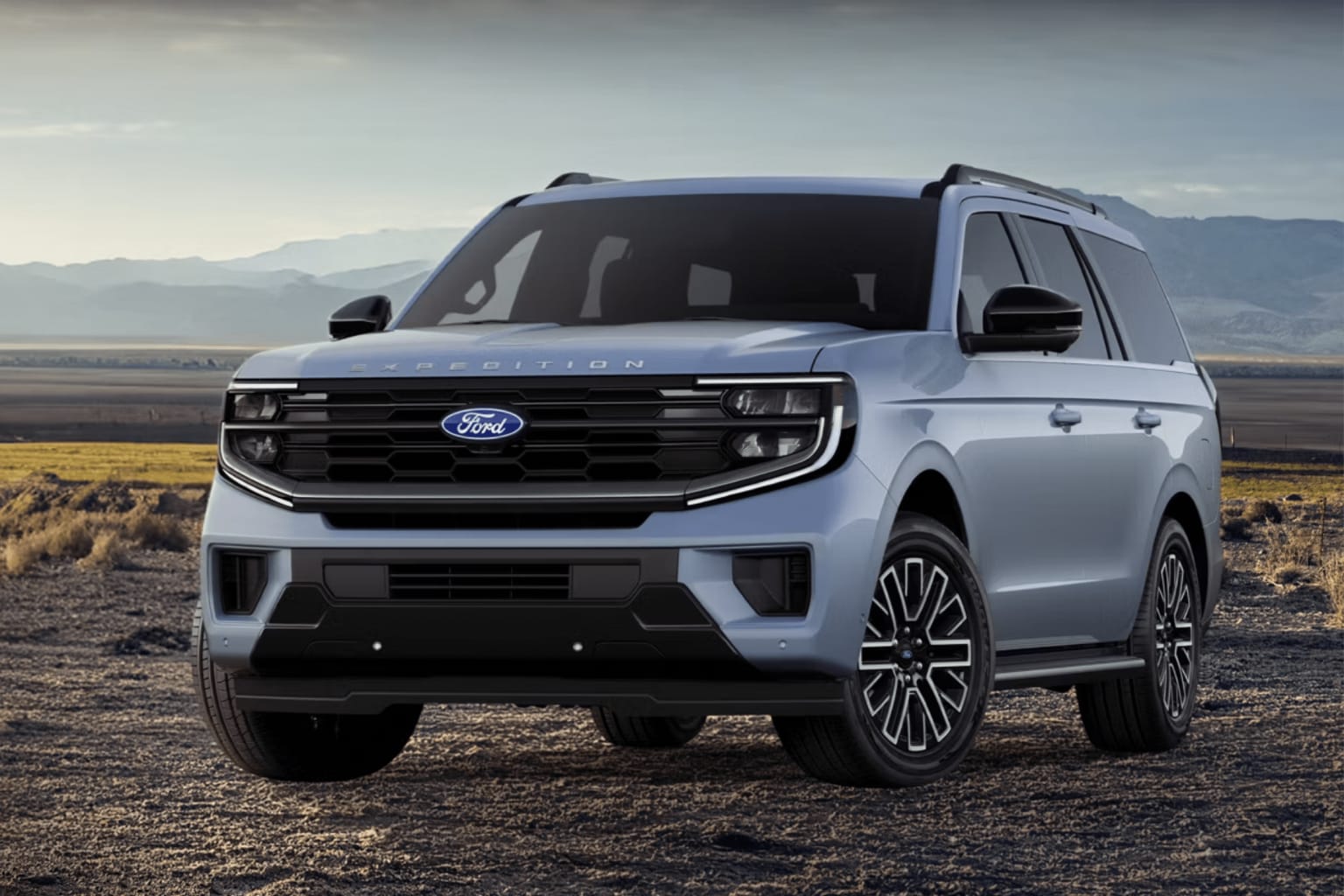
Premium Ford Trims: More Comfort in Every Mile
Premium Ford trim levels focus on the details that become more valuable during daily commutes, family trips, and long-distance driving.
Lariat appears on F-150, Ranger, Maverick, and Super Duty, typically representing a noticeable step up in cabin materials and technology. Platinum brings a luxury-focused experience to models such as Explorer, Expedition, F-150, and Super Duty. King Ranch adds distinctive Western-inspired materials and design to selected trucks and full-size SUVs.
Outer Banks gives Bronco shoppers a more polished direction while preserving 4x4 capability. These premium models may offer heated or ventilated seating, larger digital displays, upgraded sound systems, advanced cameras, additional driver-assist technology, and unique exterior treatments.
Choose a premium trim when the vehicle will serve as your family hauler, road-trip companion, mobile office, or long-term daily driver.
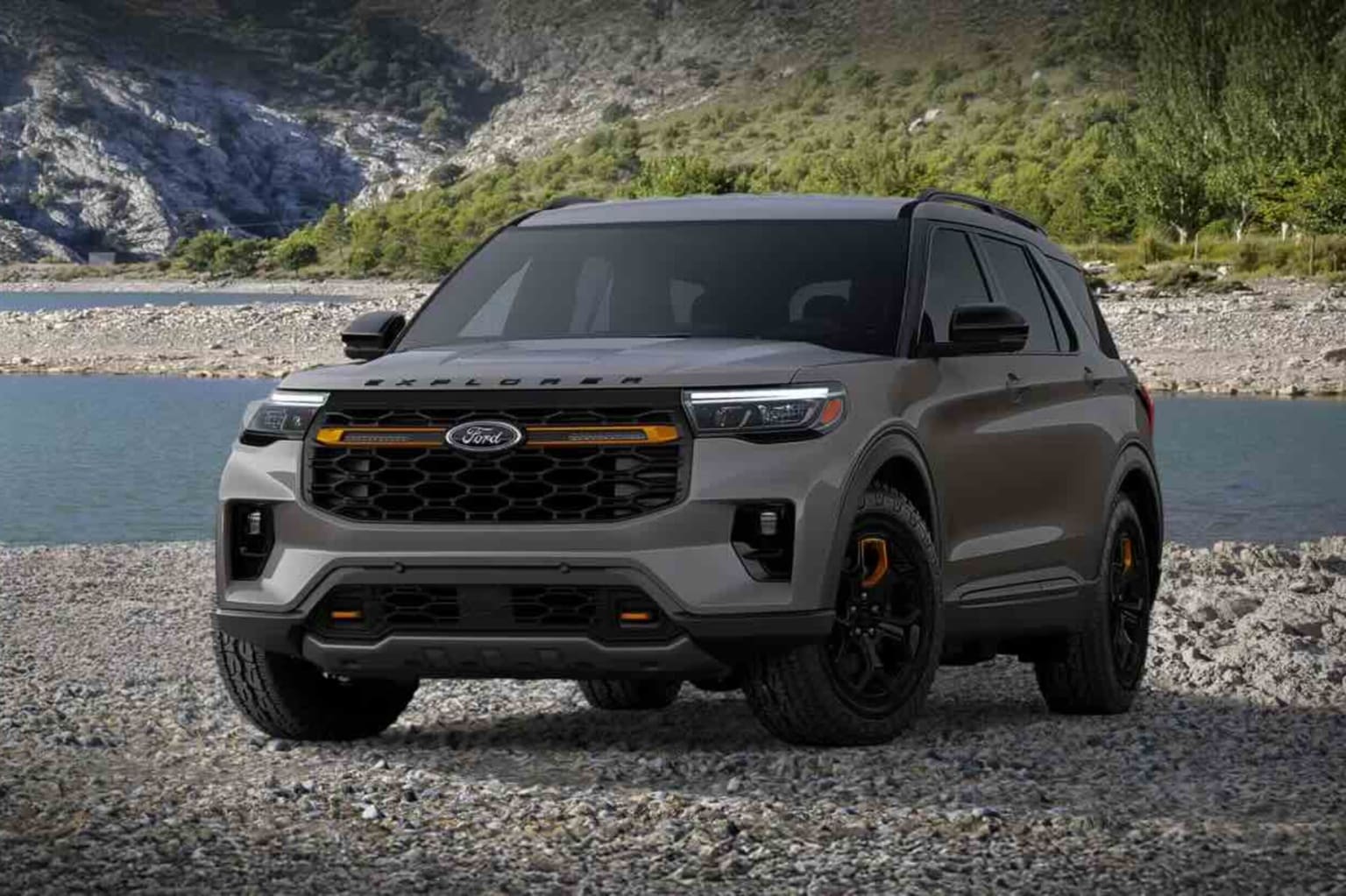
Off-Road and Performance Trims: Built Around a Mission
Some of the most exciting Ford trim levels don’t fit neatly between “basic” and “luxury.”
Tremor models emphasize off-road capability across vehicles such as F-150, Maverick, Explorer, and Expedition. Bronco Badlands focuses on technical terrain, while Ranger Raptor, F-150 Raptor, and Bronco Raptor turn up the suspension, power, stance, and trail hardware.
Performance shoppers have other options. Explorer ST delivers stronger on-road performance, Mustang Mach-E GT adds electric muscle, and Mach-E Rally brings a loose-surface-inspired setup. Maverick Lobo takes the compact truck in a street-performance direction rather than toward the trail.
These trims may still include premium features, but their pricing reflects specialized engineering. When comparing Ford trim levels in order, don’t choose one simply because it sits near the top of the lineup. Choose it because its purpose matches yours.
How to Choose the Right Ford Trim
Once you understand the Ford trim levels, the best choice becomes less about chasing the highest badge and more about matching features to real life.
Start With the Budget
Set a comfortable total budget before exploring packages. A lower trim with one carefully chosen package may serve you better than a premium trim filled with equipment you won’t use.
List Your Daily Must-Haves
Think about heated seats, phone integration, camera views, driver-assist features, passenger capacity, cargo room, and audio. Separate the must-haves from the nice-to-haves.
Match Capability to the Job
Truck shoppers should compare engines, payload, towing ratings, axle ratios, drivetrains, bed lengths, and towing packages. Off-road drivers should look beyond styling and review tires, ground clearance, suspension, protection, and traction hardware.
Plan for the People Coming Along
Families may value easy-clean materials, second-row access, three-row seating, cargo flexibility, and rear-seat comfort more than performance upgrades.
Compare the Exact Vehicles
The easiest way to understand Ford trim levels in order is to sit in them back-to-back. Screens, seats, visibility, ride height, and cabin materials can feel more important in person than they look on a comparison chart.
Shop Ford Trim Levels at Way Scarff Ford
There’s no prize for buying the most expensive trim. The win is finding the Ford that fits your drive.
At Way Scarff Ford in Auburn, you’ll find Ford trim levels explained across trucks, SUVs, and EVs. Our team can help drivers from Auburn, Kent, and Federal Way compare features, packages, capability, inventory, and financing.
Browse available Ford inventory online or visit Way Scarff Ford to find the right fit.
Ford Trim Level FAQs
Still sorting through Ford trim levels? These quick answers clarify how the names work and where popular Ford models fit.