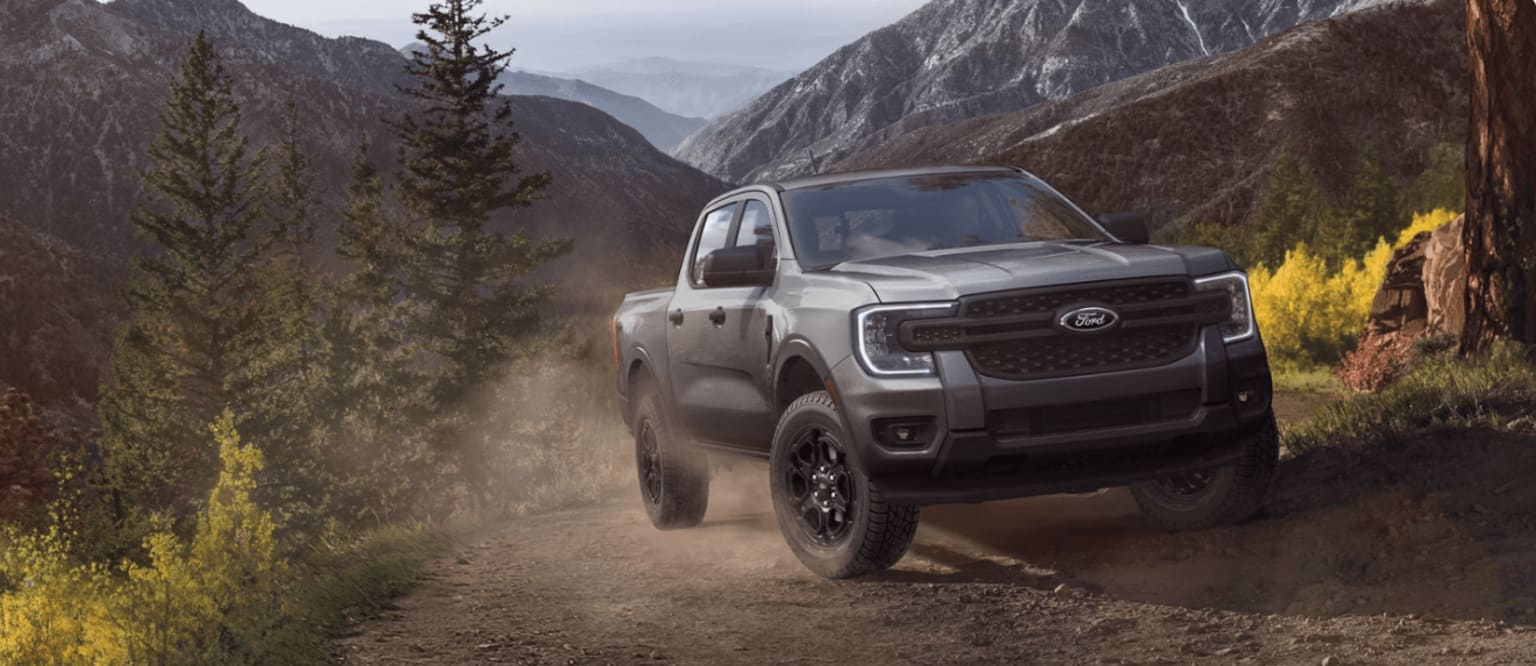
Ford Ranger MPG Guide
Ford Ranger MPG Guide
Discover the fuel efficiency and performance of America's favorite mid-size truck
We're excited to share everything you need to know about Ford Ranger fuel economy. The Ford Ranger delivers impressive gas mileage while maintaining the rugged capability that makes it a top choice for Auburn drivers.
At Way Scarff Ford in Auburn, WA, we understand that fuel efficiency matters to our customers. Whether you're commuting to work in Seattle or exploring the Pacific Northwest's outdoor adventures, the Ranger's MPG performance helps you save money at the pump while enjoying reliable truck capability.
Key MPG Highlight The Ford Ranger achieves up to 24 MPG combined with the 2.3L EcoBoost engine and rear-wheel drive configuration, making it one of the most fuel-efficient mid-size trucks available.
This comprehensive guide covers everything about Ranger fuel economy. We'll help you understand which trim level offers the best gas mileage for your needs. From daily driving to weekend adventures, you'll discover how the Ranger balances efficiency with the performance you expect from a Ford truck.
Ford Ranger MPG Ratings by Configuration
At Way Scarff Ford, we help Auburn customers understand the different MPG ratings across Ranger configurations. The Ford Ranger offers excellent fuel economy that varies based on your chosen drivetrain and cab style.
Each Ranger configuration delivers solid fuel efficiency while maintaining truck capability. Our Washington customers appreciate how these numbers translate to real savings during their daily commutes and weekend trips.
Configuration | Engine | City MPG | Highway MPG | Combined MPG |
|---|---|---|---|---|
SuperCab RWD | 2.3L EcoBoost | 21 | 26 | 24 |
SuperCrew RWD | 2.3L EcoBoost | 21 | 26 | 23 |
SuperCab 4WD | 2.3L EcoBoost | 20 | 24 | 22 |
SuperCrew 4WD | 2.3L EcoBoost | 20 | 24 | 22 |
Understanding the MPG Differences
The rear-wheel drive models achieve the best fuel economy numbers. This makes sense because they're lighter and have less drivetrain loss compared to four-wheel drive versions. For Auburn drivers who mainly stick to paved roads, RWD offers the best gas mileage.
Four-wheel drive adds capability for Washington's varied terrain but reduces fuel economy by about 2 MPG. This trade-off gives you better traction in snow, rain, and off-road conditions that are common in our area.
The SuperCab configuration offers slightly better MPG than SuperCrew models. The difference is small, but every bit helps when you're calculating fuel costs for your daily driving needs.
What Affects Your Ford Ranger's Real-World Fuel Economy
We know that EPA ratings are just the starting point. Real-world MPG depends on many factors that Auburn drivers experience every day. Understanding these factors helps you get the best fuel economy from your Ranger.
Your driving habits make the biggest difference in actual gas mileage. The way you accelerate, brake, and maintain highway speeds all impact your truck's efficiency. We've seen customers improve their MPG by 2-3 points just by changing their driving style.
Driving Conditions That Impact MPG
City driving with frequent stops and starts reduces fuel economy compared to steady highway cruising. Auburn's traffic patterns and Seattle commutes involve more stop-and-go driving, which can lower your average MPG.
Weather conditions also affect fuel efficiency. Cold Washington winters require more fuel for engine warm-up and cabin heating. Using air conditioning in summer also reduces gas mileage, though the effect is usually smaller than winter heating.
Highway Driving: Steady speeds between 45-65 MPH provide the best fuel economy for your Ranger
City Driving: Gentle acceleration and coasting to stops can improve city MPG by 10-15%
Load and Towing: Heavy cargo and trailer towing can reduce fuel economy by 15-25%
Maintenance for Better Gas Mileage
Regular maintenance keeps your Ranger running efficiently. Clean air filters, proper tire pressure, and fresh oil all help maintain good fuel economy. Our service team at Way Scarff Ford can help you stay on top of these important maintenance items.
Tire pressure is especially important in Washington's changing weather. Under-inflated tires create more rolling resistance and can reduce your MPG by 2-3 points. We recommend checking tire pressure monthly.
Ford Ranger Engine Technology and Fuel Efficiency
The Ford Ranger uses advanced engine technology to deliver impressive fuel economy. We're proud to offer Auburn customers a truck that combines modern efficiency with proven Ford reliability.
The 2.3L EcoBoost engine is the heart of the Ranger's fuel efficiency story. This turbocharged four-cylinder engine delivers V6-like power while maintaining four-cylinder fuel economy. It's a perfect example of Ford's commitment to efficient performance.
EcoBoost Technology Explained
EcoBoost combines turbocharging with direct injection to maximize efficiency. The turbocharger allows a smaller engine to produce more power when needed, while direct injection ensures precise fuel delivery for optimal combustion.
This technology means your Ranger can deliver strong acceleration and towing capability when you need it, but still achieve excellent gas mileage during normal driving. It's the best of both worlds for Auburn drivers who want capability and efficiency.
The 10-speed automatic transmission works perfectly with the EcoBoost engine. More gears mean the engine can stay in its most efficient operating range more often. This transmission is a key part of achieving the Ranger's impressive MPG ratings.
Auto Start-Stop Technology
The Ranger includes Auto Start-Stop technology that shuts off the engine when you're stopped in traffic. This feature saves fuel during city driving and contributes to the truck's overall efficiency ratings.
Many customers ask us about this feature. It's designed to be seamless and restarts the engine instantly when you release the brake pedal. You can disable it if you prefer, but most drivers find it works smoothly and helps save gas.
Comparing Ford Ranger MPG to Competitors
When Auburn customers shop for mid-size trucks, fuel economy is often a top concern. We're happy to show how the Ford Ranger stacks up against other trucks in its class. The numbers speak for themselves.
The Ranger consistently ranks among the most fuel-efficient mid-size trucks available. This efficiency advantage can save you hundreds of dollars per year in fuel costs, especially with Washington's gas prices.
Truck Model | Engine | City MPG | Highway MPG | Combined MPG |
|---|---|---|---|---|
Ford Ranger | 2.3L EcoBoost | 21 | 26 | 24 |
Chevrolet Colorado | 2.7L Turbo | 20 | 25 | 22 |
Toyota Tacoma | 2.4L Turbo | 19 | 24 | 21 |
Nissan Frontier | 3.8L V6 | 18 | 24 | 20 |
Real-World Fuel Cost Savings
The Ranger's MPG advantage translates to real savings at the pump. If you drive 15,000 miles per year, the difference between 24 MPG and 21 MPG saves you about $200 annually at current gas prices.
Over the life of your truck, these savings add up significantly. The Ranger's efficiency helps offset its purchase price and provides ongoing value for budget-conscious Auburn families and businesses.
We also consider that the Ranger achieves these MPG numbers while offering competitive towing capacity and payload ratings. You don't have to sacrifice capability to get good fuel economy.
Tips to Maximize Your Ford Ranger's Fuel Economy
We want to help our Auburn customers get the best possible gas mileage from their Rangers. These practical tips can improve your real-world MPG and save money on fuel costs throughout Washington.
Small changes in driving habits and maintenance routines can make a big difference in fuel economy. Our service team shares these recommendations with every Ranger owner who visits Way Scarff Ford.
Driving Techniques for Better MPG
Smooth acceleration and gradual braking help maximize fuel efficiency. Try to anticipate traffic flow and coast to red lights instead of braking hard. This technique can improve your city MPG by 10-15%.
Maintain steady speeds on the highway when possible. Using cruise control on flat roads helps your Ranger stay in its most efficient operating range. Avoid rapid speed changes that force the engine to work harder.
Remove unnecessary weight from your truck bed and cab. Every 100 pounds of extra weight can reduce fuel economy by 1-2%. Clean out items you don't need for your current trip.
Maintenance Tips for Optimal Efficiency
Keep your Ranger well-maintained to ensure peak fuel efficiency. Regular oil changes with the correct grade of oil help reduce engine friction and improve gas mileage. We recommend following Ford's maintenance schedule exactly.
Check and maintain proper tire pressure monthly. Under-inflated tires create more rolling resistance and can significantly impact your MPG. The correct pressure is listed on the driver's door jamb sticker.
Replace air filters when they become dirty. A clean air filter allows your engine to breathe properly and maintain optimal fuel mixture. This simple maintenance item can improve fuel economy by up to 10%.
Experience Ford Ranger Fuel Efficiency at Way Scarff Ford
Ready to experience the impressive fuel economy of the Ford Ranger? Visit us at Way Scarff Ford in Auburn, WA, where our team is ready to help you find the perfect Ranger configuration for your needs and budget.
We invite you to take a test drive and see how the Ranger's fuel efficiency performs in real-world conditions around Auburn and the greater Seattle area. Our knowledgeable sales team can explain the differences between configurations and help you choose the best option for your driving needs.
Our service department is also here to help you maintain optimal fuel economy throughout your Ranger's life. From regular maintenance to fuel-saving tips, we're your partner in getting the most from every gallon.
Contact Way Scarff Ford today at (253) 929-3080 to schedule your test drive or learn more about current Ranger incentives and financing options.
Frequently Asked Questions
What is the best MPG configuration for the Ford Ranger? The SuperCab with rear-wheel drive achieves the best fuel economy at 24 MPG combined (21 city/26 highway). This configuration offers the optimal balance of efficiency and capability for most Auburn drivers.
How does four-wheel drive affect Ford Ranger fuel economy? Four-wheel drive reduces fuel economy by about 2 MPG compared to rear-wheel drive models. 4WD Rangers achieve 22 MPG combined versus 24 MPG for RWD versions, but provide better traction for Washington's varied weather conditions.
What engine powers the Ford Ranger and how does it achieve good MPG? The Ranger uses a 2.3L EcoBoost turbocharged four-cylinder engine paired with a 10-speed automatic transmission. This combination delivers 270 horsepower while achieving up to 24 MPG combined through advanced turbocharging and direct injection technology.
How can I improve my Ford Ranger's real-world fuel economy? Maintain steady speeds, accelerate gradually, keep tires properly inflated, remove unnecessary weight, and follow regular maintenance schedules. These simple steps can improve your real-world MPG by 2-3 points over EPA ratings.
How does the Ford Ranger's MPG compare to other mid-size trucks? The Ranger leads its class with 24 MPG combined, beating competitors like the Chevrolet Colorado (22 MPG), Toyota Tacoma (21 MPG), and Nissan Frontier (20 MPG). This efficiency advantage can save hundreds of dollars annually in fuel costs.