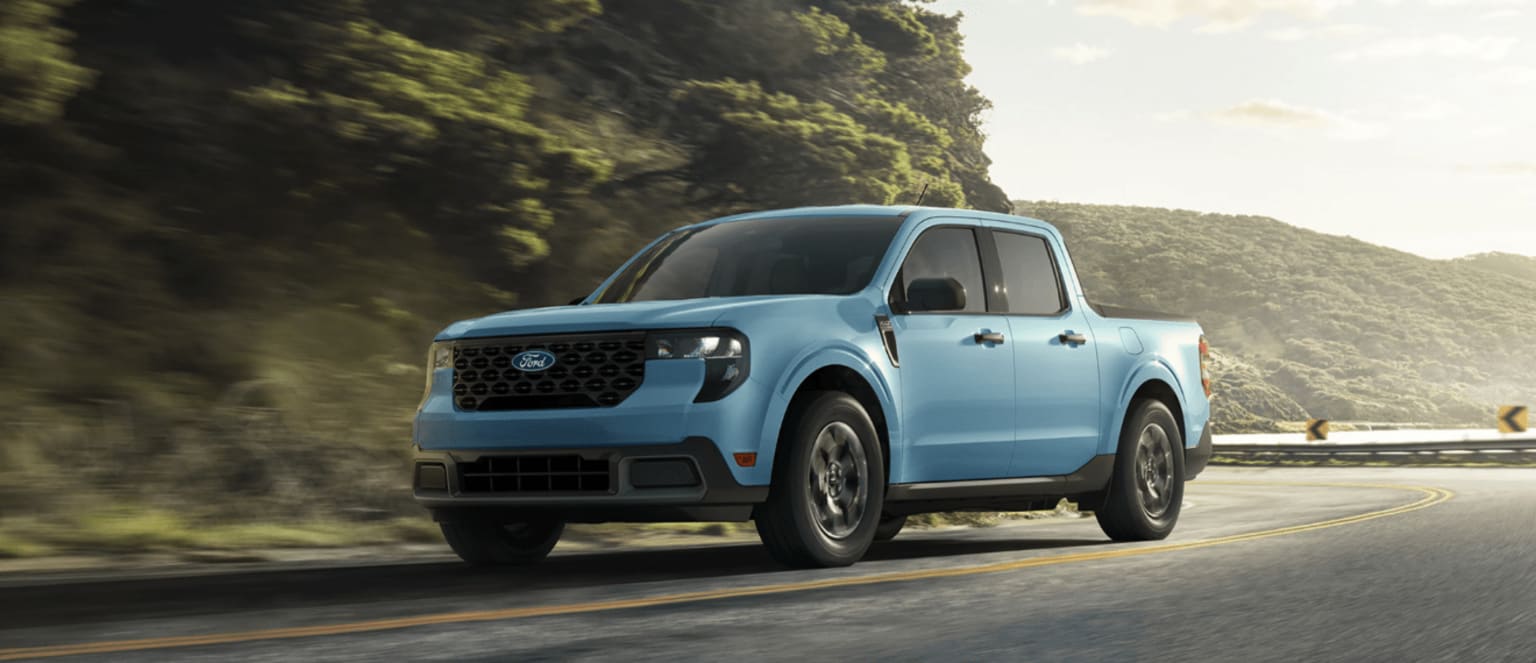
Ford Maverick MPG & Fuel Economy Guide
Ford Maverick MPG & Fuel Economy Guide
We're excited to share everything you need to know about the Ford Maverick's impressive fuel economy. This compact pickup truck delivers outstanding gas mileage without sacrificing the capability you need for work and adventure.
At Way Scarff Ford in Auburn, WA, we help customers discover how the Maverick's fuel efficiency can save money at the pump. Whether you're commuting through Seattle traffic or exploring Washington's beautiful outdoors, this truck offers the perfect balance of economy and utility.
Outstanding Fuel Economy The Ford Maverick achieves an EPA-estimated 42 mpg city, 33 mpg highway, and 37 mpg combined with the standard 2.5L hybrid engine and front-wheel drive configuration.
This comprehensive guide covers all aspects of Maverick fuel economy. We'll explore different engine options, driving conditions, and real-world factors that affect your gas mileage. You'll learn how to maximize efficiency while enjoying everything this innovative compact truck offers.
Ford Maverick Engine Options and Their MPG Ratings
We offer two excellent engine choices in the Ford Maverick, each designed for different driving needs. The standard hybrid powertrain focuses on maximum fuel efficiency, while the available EcoBoost engine provides more power for towing and hauling.
Understanding these engine options helps you choose the right Maverick for your lifestyle. Both engines deliver impressive performance, but their fuel economy characteristics differ significantly.
2.5L Hybrid Engine (Standard): 42 mpg city / 33 mpg highway / 37 mpg combined with front-wheel drive
2.0L EcoBoost Engine (Available): 23 mpg city / 30 mpg highway / 26 mpg combined with front-wheel drive
Intelligent AWD Available: Slightly reduced MPG but enhanced traction for Washington weather
Standard 2.5L Hybrid Powertrain
The Maverick's standard hybrid system combines a 2.5-liter four-cylinder engine with an electric motor. This setup produces 191 horsepower while delivering exceptional fuel economy. The hybrid system works seamlessly, switching between gas and electric power as needed.
This engine pairs with a continuously variable transmission (CVT) that keeps the engine running at optimal efficiency. The result is smooth acceleration and impressive gas mileage that makes daily commuting more affordable.
Available 2.0L EcoBoost Engine
For customers who need more towing capability, we offer the 2.0-liter EcoBoost turbocharged engine. It produces 250 horsepower and 277 lb-ft of torque, enabling a 4,000-pound towing capacity when properly equipped.
While the EcoBoost engine uses more fuel than the hybrid, it still delivers competitive fuel economy for a truck with this level of capability. The eight-speed automatic transmission helps optimize both performance and efficiency.
Real-World Ford Maverick Fuel Economy Performance
We understand that EPA estimates don't always match real-world driving conditions. Our customers in Auburn and the greater Seattle area experience various driving scenarios that can affect actual fuel economy. Let's explore what you can expect in different situations.
Real-world MPG depends on many factors including driving habits, weather conditions, and terrain. Washington's diverse landscape from city streets to mountain highways provides unique challenges and opportunities for fuel efficiency.
Driving Condition | Hybrid MPG Range | EcoBoost MPG Range | Tips for Best Economy |
|---|---|---|---|
City Driving | 38–45 mpg | 20–25 mpg | Use Eco mode, gentle acceleration |
Highway Cruising | 30–36 mpg | 28–32 mpg | Maintain steady speeds, use cruise control |
Mixed Driving | 34–40 mpg | 24–28 mpg | Plan routes, combine trips |
Optimal Conditions | 40+ mpg | 30+ mpg | Moderate temperatures, light traffic |
City Driving Performance
The Maverick hybrid excels in stop-and-go traffic where the electric motor provides silent, efficient power. During city driving, the hybrid system frequently runs on electric power alone, especially during low-speed maneuvers and parking.
Our Auburn customers often report achieving the higher end of the EPA city rating during their daily commutes. The regenerative braking system captures energy that would otherwise be lost, helping maintain excellent fuel economy even in heavy traffic.
Highway Efficiency
On highway drives, the Maverick's aerodynamic design helps maintain good fuel economy at cruising speeds. The hybrid system works efficiently at steady speeds, though the electric motor contributes less than in city driving.
For long trips to Eastern Washington or Oregon, customers appreciate how the Maverick's fuel efficiency reduces the number of gas stops needed. The 13.8-gallon fuel tank provides excellent driving range for extended journeys.
How to Maximize Your Maverick's Fuel Economy
We want to help you get the most from every gallon of gas. The Ford Maverick includes several features and driving modes designed to optimize fuel efficiency. Understanding how to use these tools can significantly improve your real-world MPG.
Small changes in driving habits and vehicle maintenance can make a big difference in fuel economy. These tips work for both hybrid and EcoBoost engine variants, though the hybrid system provides additional opportunities for efficiency gains.
Driving Techniques for Better MPG
Smooth, gradual acceleration helps the hybrid system operate most efficiently. The Maverick's coaching display shows when you're driving efficiently, helping you develop fuel-saving habits over time.
Using the Eco driving mode adjusts throttle response and climate control settings to prioritize fuel economy. This mode works particularly well during city driving where the hybrid system can maximize electric-only operation.
Eco Mode Benefits: Optimizes engine and transmission for maximum efficiency, can improve MPG by 2–4 mpg in city driving
Regenerative Braking: Captures energy during deceleration, most effective with gradual braking techniques
Trip Planning: Combining errands and avoiding peak traffic times can significantly improve overall efficiency
Vehicle Maintenance for Optimal Efficiency
Regular maintenance keeps your Maverick running at peak efficiency. We recommend following Ford's maintenance schedule to ensure optimal fuel economy throughout your ownership experience.
Proper tire pressure is especially important for fuel economy. Under-inflated tires can reduce MPG by up to 3%. We check tire pressure during every service visit and recommend monthly pressure checks.
Using the recommended engine oil grade and changing air filters as scheduled also helps maintain optimal fuel economy. Our service team at Way Scarff Ford ensures your Maverick stays in peak condition for maximum efficiency.
Ford Maverick MPG Compared to Competitors
We're proud that the Ford Maverick leads the compact pickup truck segment in fuel economy. When compared to other small trucks and even many SUVs, the Maverick's hybrid powertrain delivers unmatched efficiency.
Vehicle | Engine Type | City MPG | Highway MPG | Combined MPG |
|---|---|---|---|---|
Ford Maverick Hybrid | 2.5L Hybrid | 42 | 33 | 37 |
Ford Maverick EcoBoost | 2.0L Turbo | 23 | 30 | 26 |
Hyundai Santa Cruz | 2.5L Turbo | 19 | 27 | 22 |
Honda Ridgeline | 3.5L V6 | 18 | 24 | 21 |
Toyota Tacoma | 2.7L 4-Cyl | 20 | 23 | 21 |
Fuel Cost Savings Analysis
The Maverick hybrid's superior fuel economy translates to significant savings over time. Based on current fuel prices and average driving patterns, Maverick hybrid owners can save hundreds of dollars annually compared to traditional pickup trucks.
For customers driving 15,000 miles per year, the difference between 37 mpg and 21 mpg (typical compact truck) equals about 135 gallons less fuel consumed annually. At current gas prices, this represents substantial savings that help offset the vehicle purchase price.
Environmental Benefits
Beyond cost savings, the Maverick's excellent fuel economy reduces environmental impact. The hybrid system produces fewer emissions while delivering the utility and capability customers expect from a pickup truck.
This makes the Maverick an excellent choice for environmentally conscious customers who still need truck functionality for work or recreation. You can feel good about your environmental footprint while enjoying all the benefits of truck ownership.
Understanding Factors That Affect Maverick Fuel Economy
We want you to understand all the factors that can influence your Maverick's fuel economy. While the hybrid system provides excellent efficiency, external conditions and driving habits play important roles in determining your actual MPG.
Washington's climate and terrain present unique challenges for fuel economy. Understanding these factors helps you set realistic expectations and make informed decisions about when to prioritize efficiency versus performance.
Weather and Seasonal Impacts
Cold weather affects hybrid battery performance and requires more energy for cabin heating. During Pacific Northwest winters, you may notice a temporary decrease in fuel economy as the system adapts to lower temperatures.
The Maverick's hybrid system includes thermal management features that help minimize cold weather impacts. Pre-conditioning the cabin while plugged in (if equipped with available 110V outlet) can help preserve battery charge for driving.
Hot weather can also affect efficiency, particularly when using air conditioning extensively. The Maverick's efficient climate control system helps minimize these impacts compared to traditional vehicles.
Load and Towing Considerations
Carrying heavy loads or towing reduces fuel economy in any vehicle. The Maverick hybrid can tow up to 2,000 pounds, while the EcoBoost engine increases towing capacity to 4,000 pounds when properly equipped.
For occasional light towing, the hybrid system still provides reasonable fuel economy. However, frequent heavy towing may make the EcoBoost engine a better choice despite its lower baseline MPG ratings.
Bed loading also affects aerodynamics and fuel economy. Using the available tonneau cover helps maintain optimal airflow and can improve highway fuel economy when carrying cargo.
Experience the Ford Maverick's Exceptional Fuel Economy at Way Scarff Ford
Visit us at Way Scarff Ford in Auburn, WA, to experience the Ford Maverick's impressive fuel economy firsthand. Our knowledgeable team can help you understand how the Maverick's efficiency features work and which engine option best suits your driving needs.
We invite you to take a test drive and see how the Maverick's hybrid system operates in real-world conditions. You'll experience the smooth transition between electric and gas power, and understand why this truck delivers such outstanding fuel economy.
Our service team is ready to help you maintain optimal fuel economy throughout your ownership experience. We offer genuine Ford parts and expert maintenance to keep your Maverick running efficiently for years to come.
Contact us today at (253) 929-3080 to schedule your test drive or learn more about current Maverick inventory. Discover how the Ford Maverick can save you money at the pump while providing all the capability you need.
Frequently Asked Questions
What is the Ford Maverick's MPG rating? The Ford Maverick hybrid achieves an EPA-estimated 42 mpg city, 33 mpg highway, and 37 mpg combined with front-wheel drive. The available 2.0L EcoBoost engine gets 23 mpg city, 30 mpg highway, and 26 mpg combined. These ratings make the Maverick the most fuel-efficient pickup truck available.
How does all-wheel drive affect Maverick fuel economy? Adding Intelligent AWD slightly reduces fuel economy ratings. The hybrid AWD model achieves 40 mpg city, 33 mpg highway, and 35 mpg combined. The EcoBoost AWD gets 22 mpg city, 29 mpg highway, and 25 mpg combined. The small decrease in efficiency is often worth it for improved traction in Washington weather.
What factors can affect my real-world Maverick MPG? Several factors influence actual fuel economy including driving habits, weather conditions, vehicle load, and maintenance. Cold weather, aggressive acceleration, heavy loads, and poor maintenance can reduce MPG. Using Eco mode, maintaining proper tire pressure, and following recommended service intervals help maximize efficiency.
How much money can I save with the Maverick's fuel economy? Compared to traditional pickup trucks averaging 21 mpg, the Maverick hybrid can save hundreds of dollars annually in fuel costs. Based on 15,000 miles per year and current gas prices, the improved efficiency can save approximately 135 gallons of fuel annually, representing significant cost savings over the vehicle's lifetime.
Does the hybrid system require special maintenance? The Maverick hybrid system requires minimal additional maintenance beyond regular vehicle service. The hybrid battery is designed to last the life of the vehicle and is covered by Ford's hybrid component warranty. Regular maintenance like oil changes, tire rotations, and filter replacements follow the same schedule as conventional vehicles.